Gulp: The Fun and Chunky Display Font for Every Creative Project
What Exactly is Gulp and Why is it Getting So Much Attention?
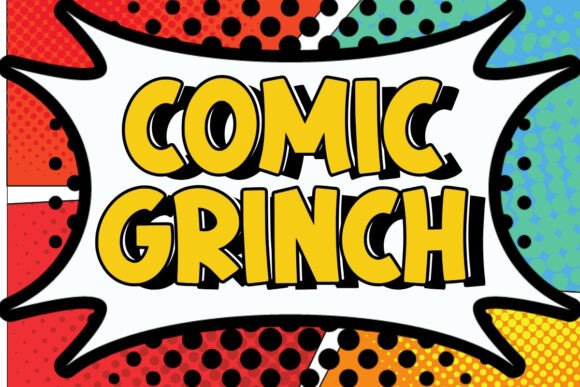
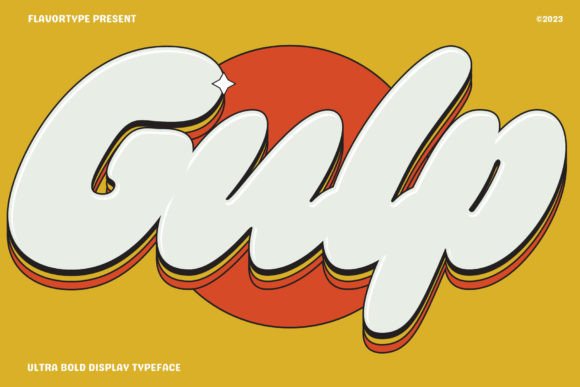
If you’ve spent any time scrolling through design blogs or browsing font marketplaces lately, you might have noticed a distinct shift toward typography that feels more human and less corporate. Enter Gulp, a display font that instantly brings a smile to your face. At its core, Gulp is a typeface defined by its thick, rounded, and playful letterforms. It doesn't try to be serious or understated; instead, it leans into a "fun and chunky" aesthetic that demands attention without shouting. Think of the typography you see on retro candy packaging, Sunday morning cartoons, or modern streetwear logos—that is the territory where Gulp thrives.
Unlike the thin, minimalist sans-serifs that dominated the last decade, Gulp offers visual weight. The strokes are bold and the curves are soft, creating a look that is both retro-inspired and surprisingly modern. It bridges the gap between nostalgia and contemporary design trends, making it a versatile tool for anyone looking to inject personality into their work. It’s not just a font; it’s a mood setter. When you choose Gulp, you are immediately signaling to your audience that your brand or project is approachable, energetic, and doesn't take itself too seriously.
Bringing Brand Identity to Life
For entrepreneurs and small business owners, the struggle to stand out in a saturated market is real. Often, the difference between a customer scrolling past and stopping to look is the personality of the brand. This is where a typeface like Gulp becomes a secret weapon. Imagine you are launching a new line of artisanal hot sauces or a local brewery. Using a standard font like Arial or Times New Roman sends a message of neutrality, but using Gulp instantly conveys flavor, heat, and fun. It tells the customer that your product has character.
Consider the packaging on a shelf. If you are selling organic dog treats or colorful children's toys, the "chunky" nature of Gulp ensures that your product name is legible from a distance. The rounded edges of the letters evoke a sense of safety and friendliness, which is crucial for products targeting families or pet owners. It softens the commercial edge of marketing, making the brand feel like a friend rather than a corporation. By integrating Gulp into your logo or packaging headers, you create a visual hook that helps build brand recognition quickly.
The Go-To Choice for Digital Content Creators
In the fast-paced world of digital content, grabbing attention within the first second is non-negotiable. Bloggers, YouTubers, and social media managers are constantly fighting for engagement, and visual hierarchy plays a massive role in that battle. Gulp is exceptionally effective for headers, titles, and call-to-action buttons on websites. Its thick strokes make it highly readable even at smaller sizes on mobile devices, provided it is used for headlines rather than body text.
Think about the thumbnails for a YouTube video or the cover image for a blog post. A bold, cheerful font like Gulp can summarize the tone of the content before the viewer even reads the words. If you are a travel vlogger documenting a chaotic food tour or a lifestyle blogger sharing weekend DIY hacks, Gulp provides that energetic backdrop that matches the content's vibe. It avoids the stiffness of corporate fonts, helping digital creators build a personal brand that feels authentic and relatable to their followers.
Revitalizing Educational Materials and Workshops
Educators and workshop facilitators often struggle with dry material. Whether you are creating a presentation for a corporate training session or designing worksheets for a primary school classroom, the typography can significantly impact how the information is received. Gulp offers a solution to the "boring worksheet" problem. Its friendly appearance lowers the psychological barrier to entry for learners.
For children, a font that looks like it could be made of balloons or clay is far more inviting than rigid block letters. It makes the learning environment feel playful and safe. However, the utility of Gulp isn't limited to kids. In adult education or creative workshops—like a cooking class or a pottery studio—using Gulp for section headers or signage helps establish a relaxed atmosphere. It signals that this is a space for exploration and creativity, not rigid adherence to rules. It helps break down the formality that often stifles creative learning.
Event Planning and Physical Merchandise
When you move from the screen to the physical world, the durability of a font's character becomes even more important. Event planners and freelance designers working on merchandise will find Gulp to be a powerhouse. Imagine the signage for a local carnival, a community fun run, or a kid's birthday party. These environments are chaotic and visually busy. A delicate, thin font would get lost in the noise. Gulp, however, cuts through the visual clutter.
It is also an excellent choice for printed merchandise like tote bags, t-shirts, and stickers. Because the font has such a strong, solid shape, it prints well on a variety of materials and holds up even when the fabric wrinkles or the sticker is placed on a curved surface. For entrepreneurs selling merch, the "chunky" nature of the font ensures that the design remains intact and impactful. It translates well to screen printing and embroidery, where thin lines can often be difficult to reproduce accurately.
Key Considerations Before You Dive In
While Gulp is a fantastic tool, it is important to understand its strengths and limitations to use it effectively. Typography is about context, and what works for a cereal box might not work for a legal brief. Here are a few things to keep in mind before applying Gulp to your next project:
- Readability vs. Legibility: Gulp is highly legible for short bursts of text like titles or logos. However, because of its display nature and heavy weight, it is generally not suitable for long paragraphs or body copy. Using it for a full page of text will likely cause eye strain for your readers.
- Tone Matching: The "cheerful" vibe of Gulp is its defining trait. If your project deals with serious subject matter—such as a medical report, a solemn commemorative event, or a high-end luxury service that relies on exclusivity—Gulp might send the wrong message. It is best suited for casual, energetic, and approachable contexts.
- Pairing with Other Fonts: To create a balanced design, Gulp needs a partner. It pairs beautifully with clean, simple sans-serifs for body text. The contrast between the bold, playful Gulp header and a clean, readable body text (like Open Sans or Lato) creates a professional yet fun visual hierarchy.
- Spacing and Alignment: Because Gulp is "chunky," it takes up more visual space than average fonts. When designing layouts, ensure you leave enough negative space around the text. Crowding Gulp into a tight box can make the design feel claustrophobic and messy.
Connecting Features to Real Outcomes
It is easy to list features like "rounded edges" or "thick strokes," but what does that actually mean for your project? In practical terms, the features of Gulp translate to immediate emotional connection. The roundedness reduces visual friction, making the viewer feel at ease. The thickness ensures visibility, which is crucial for accessibility and quick comprehension.
For the freelancer, this means delivering a design to a client that not only looks good but also solves the business problem of standing out. For the hobbyist, it means creating a scrapbook or a party invite that feels professionally designed without needing advanced skills. The font does a lot of the heavy lifting in terms of style, allowing you to focus on the message you are trying to convey.
Ultimately, Gulp is more than just a collection of vectors; it is a design shortcut to personality. Whether you are refreshing a brand, designing a flyer for a neighborhood block party, or creating engaging social media content, it provides the visual cheerfulness needed to make your project resonate. It reminds us that design doesn't always have to be serious to be effective—sometimes, a little bit of fun goes a long way.