Hardly: The Gothic Font Bridging Vintage Craft and Modern Design
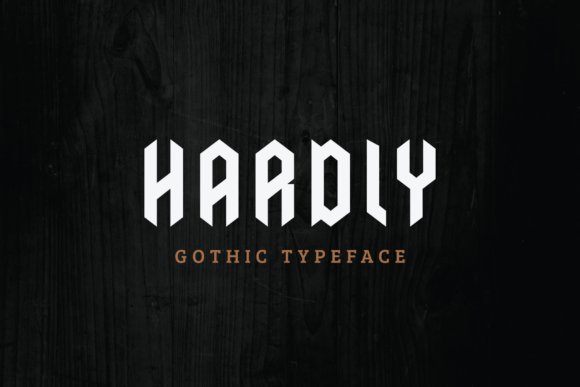
In a digital landscape saturated with minimalist sans-serifs and clean geometric typefaces, a distinct counter-movement is gaining momentum. Designers and brands are rediscovering the power of heritage and craftsmanship, seeking fonts that carry history, texture, and a tangible sense of personality. This resurgence isn't about mere nostalgia; it's a strategic choice to cut through visual noise and establish an immediate, sophisticated connection with an audience. At the forefront of this movement is Hardly, a modern yet vintage gothic font that masterfully bridges the gap between old-world artistry and contemporary application.
Understanding the Blackletter Influence
To appreciate Hardly, one must first understand its roots. The font draws clear inspiration from blackletter, a script family that originated in medieval Europe. Also known as Gothic script, blackletter was the standard for hand-lettered manuscripts and early printed books for centuries. Its defining characteristics are the dramatic contrast between thick and thin strokes, ornate serifs, and a vertical, often condensed, structure that conveys a sense of gravity and importance.
Historically, blackletter was associated with formality, religious texts, and official documents. In modern times, its aesthetic has been adopted by various subcultures, from heavy metal music to streetwear brands, often to signify rebellion, authenticity, or a raw, underground energy. Hardly thoughtfully filters this complex heritage. It retains the structural integrity and bold presence of blackletter but refines its edges, making it more versatile and accessible for today's diverse design projects. The result is a typeface that feels both timeless and unmistakably current.
Why "Modern Vintage" Resonates Today
The term "modern vintage" perfectly captures the contemporary design ethos that Hardly embodies. It speaks to a consumer and creator mindset that values authenticity but demands usability. In an era of digital perfection, there's a growing appreciation for the imperfect, the handcrafted, and the storied. This isn't a rejection of technology, but rather a desire to infuse digital creations with the warmth and character of analog artifacts.
This trend is visible across multiple domains. In branding, companies move away from sterile, corporate logos toward identities that tell a story and feel human. In apparel, especially within the booming print-on-demand sector, designs featuring vintage typography, distressed textures, and retro motifs consistently outperform generic graphics. Even in digital interfaces, subtle nods to heritage—through textured backgrounds or classic typographic details—can enhance user experience by building trust and evoking a sense of established quality.
Practical Applications: Where Hardly Excels
The true value of a typeface like Hardly lies in its practical versatility. Its design is optimized for high-impact, legible display use, making it a powerful tool for specific, high-stakes applications.
- Logo and Brand Identity: A logo sets the first impression. Hardly allows a brand to project sophistication, heritage, and a confident edge. It's particularly effective for brands in artisanal goods, craft beverages, boutique agencies, or any service that wants to highlight its expertise and unique character.
- Apparel and Merchandise: The font's bold, graphic nature makes it ideal for t-shirt designs, hoodie prints, and accessory branding. It commands attention on fabric and works beautifully for quotes, band names, or statement graphics that need to stand out in a crowded marketplace.
- Editorial and Poster Design: For magazine covers, event posters, book titles, or social media graphics, Hardly delivers instant visual hierarchy. It can anchor a layout, providing a strong focal point that guides the viewer's eye and sets the tone for the accompanying content.
- Digital Presence: Used strategically for headers, hero sections, or call-to-action buttons on a website, it can break the monotony of standard web fonts, adding a layer of visual interest and memorability to the user experience.
Integrating Hardly into Your Workflow
Adopting a distinctive font like Hardly requires thoughtful implementation to maximize its impact. Here are some grounded recommendations for creators and professionals:
- Pair with Purpose: Avoid pairing Hardly with other highly decorative or script fonts, which can create visual chaos. Its strength is best complemented by clean, simple sans-serifs or serifs for body text. This contrast allows the font's unique character to shine without overwhelming the reader.
- Consider Context and Audience: While versatile, its gothic roots may carry specific connotations. Assess whether the vintage, sophisticated, or edgy vibe aligns with your project's message and target audience. It's a powerful choice for the right context but may not suit every corporate or minimalist brief.
- Use for Emphasis, Not for Walls of Text: Hardly is designed for headlines, titles, and short, impactful phrases. Using it for long paragraphs would severely compromise readability. Leverage its display strengths to create striking entry points into your content.
- Explore Stylistic Alternates: Many modern fonts, including Hardly, often include alternate characters, ligatures, or stylistic sets. Experimenting with these features can add further customization and uniqueness to your designs, helping you avoid a generic look.
The Enduring Need for Typographic Personality
The evolution of design tools has democratized creation, but it has also led to a homogenization of visual style. In response, the deliberate selection of typography has become a critical differentiator. Fonts are no longer just vessels for text; they are essential components of voice, tone, and brand narrative.
Hardly represents a conscious choice to move beyond the default. It acknowledges that in a world of fleeting digital impressions, investing in a typeface with depth and history can create more resonant, lasting connections. It doesn't scream for attention with gimmicks; it earns it through refined craftsmanship and a clear, confident aesthetic.
For the entrepreneur building a brand identity, the designer crafting a compelling poster, or the marketer developing standout social media assets, the right font is a strategic asset. Hardly offers a solution that is both visually arresting and functionally sound, providing the tools to deliver a vintage yet sophisticated presentation across a multitude of creative projects. Its relevance stems from a timeless truth in design: that which feels authentic and thoughtfully crafted will always have a place. By embracing its modern gothic spirit, creators can tap into a rich visual language that speaks directly to contemporary tastes for heritage, quality, and distinctiveness.