Graffiti Outline: A Practical Look at the Coloring Display Font
In the crowded landscape of digital typography, finding a font that serves a specific, creative function beyond simple text layout can be a significant asset. Graffiti Outline is one such typeface. It's not designed for body copy or formal documents. Instead, it positions itself as a specialized tool—a bold, energetic display font that captures the raw, authentic style of street graffiti lettering, but with a crucial, built-in feature for creators: it's engineered specifically for coloring and customization. This article examines its characteristics, practical applications, and who stands to benefit most from adding it to their toolkit.
Understanding the Core Concept: More Than Just a Style
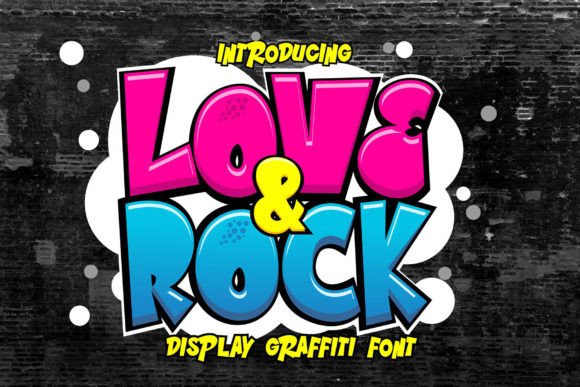
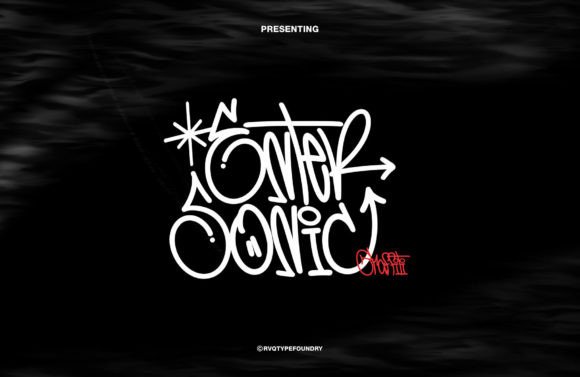
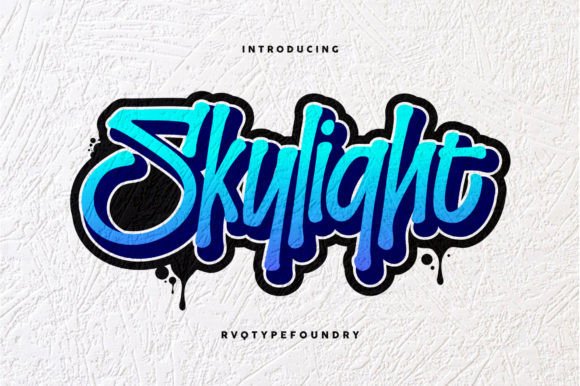
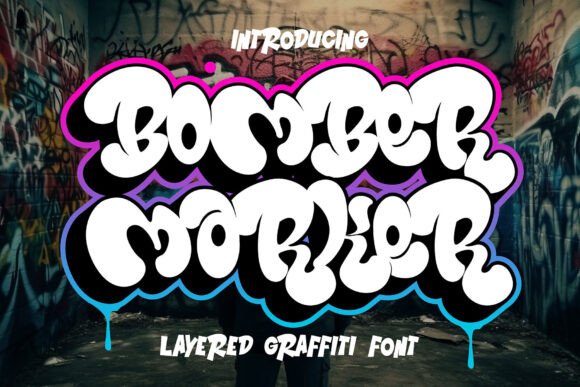
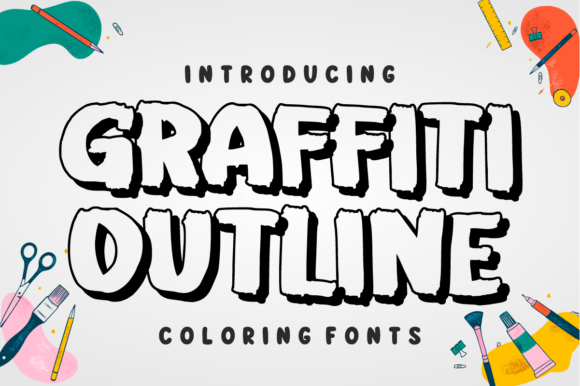
At first glance, Graffiti Outline presents the familiar hallmarks of street art typography: thick, bold letterforms with a rugged, hand-painted aesthetic and dramatic shading. However, its defining characteristic is its structure as a "Coloring Font." The typeface is delivered as a distinct, heavy outline with a built-in drop shadow, creating a perfect, clear canvas. This design choice transforms the font from a static graphic element into an interactive resource. The primary value lies not in the lettering itself, but in the empty space it defines, inviting manual coloring, digital layering, or texture application. This makes it a foundational asset rather than a finished product, offering a high degree of creative control.
Key Characteristics and Design Strengths
Evaluating Graffiti Outline on its technical and aesthetic merits reveals a typeface built for impact and utility.
- Bold, High-Impact Letterforms: The font’s thick strokes and wide stance ensure maximum visibility, even at smaller sizes or from a distance. This makes it inherently suitable for headlines, logos, and titles where immediate recognition is key.
- Authentic Urban Aesthetic: The design doesn't just mimic graffiti; it captures the energetic, slightly uneven quality of spray-painted lettering. This authenticity is crucial for projects targeting audiences who value genuine street culture, from hip-hop to skateboarding.
- The "Canvas" Structure: The outlined, shadowed format is its most practical strength. By providing a clean, defined boundary, it simplifies the coloring process. Whether using digital tools like the paint bucket in Photoshop or physically coloring with markers, the outlines prevent bleed and guide the user, ensuring a professional-looking result.
- Layering Potential: The separate outline and shadow elements can often be manipulated independently in design software. This allows for more advanced effects, such as changing the shadow color, adding patterns within the letters, or creating multi-layered compositions with depth.
Practical Applications and Real-World Use
The true test of any creative asset is its performance in actual projects. Graffiti Outline’s design suggests a specific range of effective use cases.
Custom Apparel and Streetwear Branding
For small clothing brands or print-on-demand services, this font is a practical starting point. It allows designers to quickly generate bold text for T-shirts, hoodies, and hats. The coloring feature enables rapid prototyping—mocking up different colorways for a design without altering the core lettering. It provides the edgy, textured look associated with streetwear, helping brands establish a visual identity that resonates with a youth-oriented or urban demographic.
Event Promotion and Flyer Design
Youth events, music festivals, hip-hop shows, and club nights often require promotional materials that feel energetic and immediate. Graffiti Outline delivers this visual punch. A designer can lay out the event name, date, and venue using the font, then apply color schemes that match the event’s theme or artist branding. The result is a dynamic, textured flyer that stands out from more sterile, minimalist designs.
Digital Content and Social Media Graphics
In the fast-paced world of social media, visuals need to grab attention quickly. This font is well-suited for creating bold thumbnails for YouTube videos, impactful Instagram story titles, or eye-catching quotes for platforms like Pinterest. Its textured, handmade quality can help content feel more authentic and less corporate, which can be advantageous for creators in niches like gaming, music, or urban lifestyle vlogging.
Who Benefits Most and Workflow Considerations
Graffiti Outline is not a universal solution. Its value is highest for specific users and workflows.
Ideal Users:
- Freelance Designers & Illustrators: Those who frequently work on projects for clients in music, fashion, or entertainment. It serves as a versatile base that can be customized to fit diverse client briefs.
- Small Business Owners in Youth Culture: Entrepreneurs running skate shops, record stores, or streetwear brands can use it to create cohesive branding materials in-house without requiring advanced design skills.
- Content Creators & Bloggers: Individuals looking to add a distinctive, high-energy visual element to their digital presence can use it to create custom headers, logos, or featured images.
- Educators & Workshop Leaders: In art or design education contexts, it can be a useful teaching tool for discussing typography, color theory, and the principles of street art.
Workflow Integration:
Using Graffiti Outline effectively requires a design workflow that includes a coloring or painting step. In a digital context, this means working in software like Adobe Illustrator, Photoshop, or Procreate where layers and color fills are standard. For physical applications, it translates well to screen printing or vinyl cutting, where the outline can be used as a guide for applying colored inks or materials. Its effectiveness is tied to the user's willingness to engage in that customization process.
Limitations and Professional Observations
No asset is without its constraints. A balanced view of Graffiti Outline must acknowledge its potential drawbacks.
- Niche Aesthetic: The graffiti style is powerful but highly specific. It is inappropriate for projects requiring a professional, corporate, or elegant tone. Using it for a law firm's brochure would be a misstep.
- Readability at Small Sizes: While bold, the complex, rugged forms of graffiti lettering can become difficult to read when used for very small text, such as captions or body copy. It is fundamentally a display font.
- Overuse Risk: The font's distinctiveness is its strength, but using it excessively across all branding materials can lead to visual fatigue. It is most effective as an accent or for key headlines, not as the sole typeface for a project.
- Dependency on Execution: The final quality of a project using Graffiti Outline relies heavily on the coloring and customization work. A poorly chosen color scheme or sloppy digital painting can undermine the font's inherent strength.
Final Assessment: A Specialized Tool for Specific Goals
Graffiti Outline fulfills its stated purpose with clarity. It provides a robust, authentic framework for creating bold, customizable street art typography. Its long-term value is not in being a trendy font, but in being a reliable, high-utility resource for a specific category of creative work. For professionals and creators whose projects align with its aesthetic and functional strengths—particularly in apparel, event promotion, and digital content—it is a practical and effective asset that can streamline the design process while delivering the desired high-impact, edgy visual result. Its worth is realized not in the font file itself, but in the creative possibilities it unlocks through its intentional, canvas-like design.