Comic Grinch: An Objective Guide to This Whimsical Display Font
In the vast ecosystem of typography, display fonts play a critical role in capturing attention and setting the emotional tone of a design. Among these, Comic Grinch stands out as a specific typeface characterized by its playful, hand-drawn aesthetic. For designers, content creators, and hobbyists looking to inject a sense of fun and friendliness into their work, this font presents an intriguing option. However, like any design asset, its effectiveness depends heavily on context, audience, and technical requirements. This guide offers a balanced evaluation to help you determine if Comic Grinch aligns with your creative goals.
Understanding the Typography of Comic Grinch
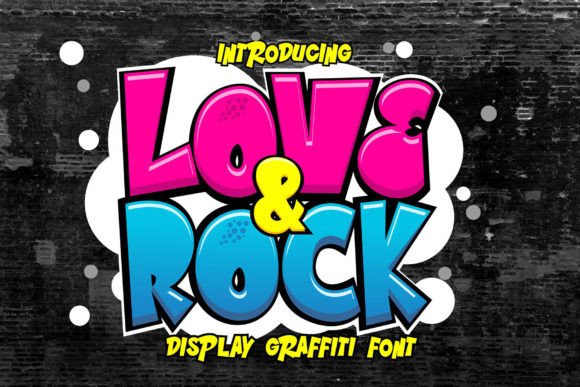
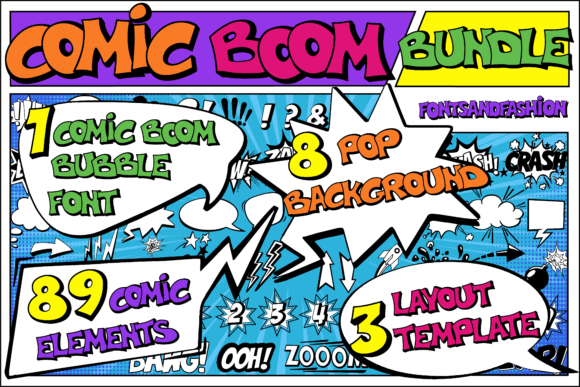
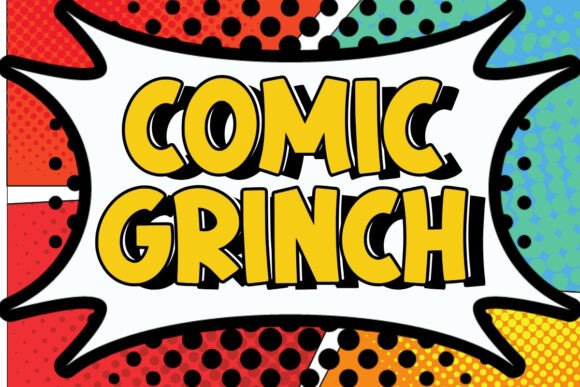
Comic Grinch is classified as a display typeface, meaning it is designed primarily for headlines, titles, and large-scale text rather than for body copy. Its visual identity is rooted in a whimsical, hand-lettered style that mimics the fluidity of cartoon strip dialogue or playful signage. The font typically features irregular baselines and varying stroke weights, which contribute to its "joyful" aesthetic. It is designed to add personality to a project, moving away from the rigidity of serif and sans-serif corporate fonts.
The primary function of Comic Grinch is to evoke an immediate emotional response. Where a standard font might convey neutrality or professionalism, Comic Grinch conveys approachability and lightheartedness. It is often utilized in projects where the goal is to lower the barrier between the content and the viewer, making the message feel less formal and more relatable.
Evaluating the Benefits and Potential Drawbacks
When considering Comic Grinch for a project, it is helpful to weigh its strengths against its limitations.
The Advantages
- Visual Impact: Because of its distinct style, Comic Grinch can make headlines stand out immediately. In a sea of standard fonts, its unique character shapes can draw the eye.
- Thematic Consistency: For projects centered around children, humor, or informal communication, the font reinforces the theme visually before the reader even processes the words.
- Personality Injection: It adds a human, hand-crafted touch to digital designs, which can help in branding scenarios where "authenticity" or "approachability" is a core value.
The Considerations
- Readability at Scale: As a display font, Comic Grinch is not optimized for long-form text. Using it for paragraphs or small descriptions can lead to eye strain and reduced comprehension.
- Professional Perception: In contexts requiring high authority, such as corporate reports, legal documents, or serious news journalism, the playful nature of the font may be perceived as unprofessional or trivializing the subject matter.
- Overuse: Using the font for every element of a design can result in visual clutter. It functions best when contrasted with cleaner, more neutral typography.
Practical Application Scenarios
Determining whether Comic Grinch is the right choice requires analyzing the specific use case. Below are scenarios where the font may be a strong fit, as well as situations where alternatives might be better.
Ideal Use Cases
Comic Grinch tends to perform well in environments where entertainment is the primary goal. For instance:
- Event Invitations: Birthday parties, casual get-togethers, or themed events benefit from the font's friendly vibe.
- Children’s Media: Book covers, educational worksheets, or posters for youth programs often utilize whimsical typography to engage young readers.
- Social Media Graphics: Memes, informal announcements, or lifestyle brand posts on platforms like Instagram can use Comic Grinch to create a relatable, casual tone.
- Internal Communications: In a workplace setting, a font like this can be used for employee newsletters or morale-boosting posters to lighten the mood, provided the company culture supports it.
Scenarios Requiring Caution
Conversely, there are distinct situations where Comic Grinch may hinder rather than help:
- Corporate Branding: Unless the brand is specifically in the entertainment or toy industry, using this font for a logo or website header may confuse customers regarding the company's seriousness.
- Data Visualization: Charts, graphs, and technical infographics require clarity and precision. The irregular letterforms of Comic Grinch can distort data presentation.
- Accessibility Needs: If the target audience includes users with dyslexia or visual impairments, the decorative nature of the font may pose significant barriers to reading. Standard sans-serif fonts are generally preferred for accessibility.
Decision-Making Insights
To make an informed decision about using Comic Grinch, consider the following three-step evaluation process:
- Audience Analysis: Who is reading your content? If your audience expects entertainment or is comprised of children, the font is appropriate. If they are seeking technical data or professional advice, the font may undermine your credibility.
- Content Hierarchy: How will the font be used? It should almost exclusively be reserved for high-level headlines or short call-outs. It should rarely, if ever, be used for body text or user interface elements like buttons and menus.
- Design Balance: Can you pair it effectively? Comic Grinch works best when paired with a clean, legible sans-serif font (such as Open Sans, Roboto, or Helvetica) for the body text. This creates a visual hierarchy where the "fun" element is accentuated by the "functional" element.
Conclusion
Comic Grinch is a tool designed to add a specific flavor to creative projects. It excels at conveying joy, friendliness, and playfulness, making it a beautiful display option for the right context. However, its utility is niche. It requires a thoughtful approach to ensure that the style does not compromise the legibility or the professional tone of the work. By evaluating your audience, your content hierarchy, and your design balance, you can effectively determine if this whimsical font is the right asset to make your creative ideas stand out.