The Beach: A Handwritten Font for Authentic, Girly Design Projects
Evaluating an Imperfect Aesthetic
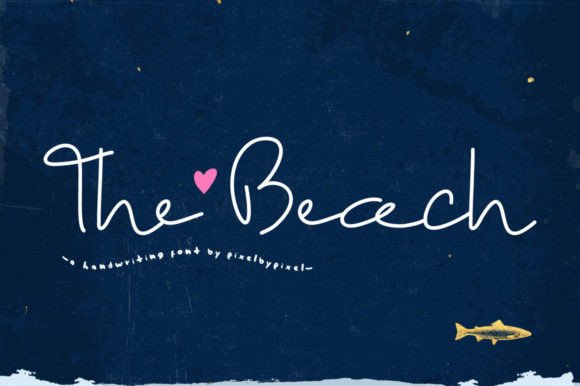
In the realm of digital design, the search for typography that feels personal and human is ongoing. Many designers move away from rigid, geometric fonts in favor of typefaces that mimic the spontaneity of human handwriting. The Beach represents a specific category within this trend: a handwritten font characterized by a girly, free-style aesthetic. It is designed to replicate the look of casual penmanship, featuring irregular baselines, varying letter sizes, and a texture that suggests an unfinished or organic origin.
When evaluating a font like The Beach, it is essential to look beyond its visual charm and assess its functional utility. This typeface is not intended for formal documentation or high-density data presentation. Instead, it serves as a stylistic tool intended to evoke emotion, warmth, and a sense of approachability. For designers and content creators, understanding the specific strengths and limitations of this font is crucial before integrating it into a workflow.
Understanding the "Girly Free-Style" Characteristics
The defining feature of The Beach is its "imperfect" style. Unlike traditional script fonts that aim for mathematical precision and perfect flourishes, this font embraces the flaws of natural handwriting. The strokes often vary in weight, and the connections between letters may appear loose or slightly disjointed. This creates a visual rhythm that feels energetic and youthful.
The "girly" descriptor usually refers to the font's soft curves, rounded terminals, and a general lack of sharp, aggressive angles. It often carries a lighter visual weight, making it feel airy and delicate. This specific aesthetic aligns well with trends in social media graphics, lifestyle branding, and stationery design where the goal is to create an intimate connection with the viewer.
Key Applications: Social Media and Greeting Cards
When considering where to deploy The Beach, the medium matters significantly. The font is particularly effective in projects where the viewing distance is short and the text volume is low.
- Social Media Posts: On platforms like Instagram or Pinterest, users scroll quickly. A rigid, corporate font can feel cold and skippable. The Beach can stop the scroll by mimicking the look of a handwritten note, making the content feel like a direct message from a friend. It works well for quotes, callouts, or short headers.
- Greeting Cards and Stationery: The font excels in print projects designed to feel personal. For wedding invitations, birthday cards, or boutique packaging, the imperfect style adds a tactile quality that formal fonts cannot replicate. It suggests that a human hand was involved in the creation process.
- Branding for Lifestyle Products: If a brand targets a demographic interested in bohemian fashion, handmade goods, or wellness, The Beach can reinforce that brand identity. It signals that the brand values creativity and individuality over corporate uniformity.
Benefits and Tradeoffs
Every design choice involves a tradeoff. The primary benefit of using The Beach is the immediate injection of personality into a design. It solves the problem of "cold" digital interfaces by adding a layer of human warmth. It is also highly effective for creating visual hierarchy; using a handwritten font for headlines contrasted against a clean sans-serif for body text creates a pleasing aesthetic balance.
However, the tradeoffs are significant and practical. The very "imperfections" that make the font charming can become liabilities in specific contexts:
- Readability at Scale: Handwritten fonts generally have lower legibility than standard serif or sans-serif fonts. The Beach is likely difficult to read in long paragraphs or at small sizes. It should be reserved for display use or short sentences.
- Professional Contexts: While suitable for a boutique bakery, this font is rarely appropriate for corporate reports, legal documents, or technical manuals. Using it in the wrong context can undermine the credibility of the content.
- Overuse of Style: Because the font has a strong personality, using it for every element of a design can lead to visual fatigue. It is best used as an accent rather than the primary workhorse of a layout.
Decision-Making Insights for Designers
Determining whether The Beach aligns with your project goals requires an objective assessment of your audience and message. You should consider the following questions during the selection process:
Who is the audience? If your audience consists of younger demographics, creative professionals, or consumers looking for artisanal products, the informal nature of the font will likely resonate with them. If your audience expects authority, stability, and formality, this font will create a disconnect.
What is the medium? High-resolution screens usually render the nuances of handwritten fonts better than low-resolution prints. Ensure that the "unfinished" edges of the letters do not become pixelated or muddy when printed on specific materials.
What is the hierarchy? A strong design system usually mixes fonts. The Beach pairs best with clean, neutral typefaces (like Helvetica, Arial, or Roboto) that can handle the heavy lifting of body copy while allowing the handwritten font to shine in the headers.
Comparing Alternatives
The market for handwritten fonts is saturated. When evaluating The Beach, it is helpful to compare it against alternatives to ensure it is the right fit.
- Brush Scripts: Unlike The Beach, which implies pen or marker, brush scripts look like they were created with a paintbrush. They tend to be more elegant and flowy, often better suited for wedding invitations than casual social media posts.
- Monoline Handwriting: Some handwritten fonts maintain a consistent stroke width. They are often more legible and "neater" than The Beach. If the "messy" or "imperfect" aspect is too much for your project, a monoline alternative might be a safer choice.
- Display Sans-Serifs: If you want a "girly" or "fun" vibe but need better readability, a rounded sans-serif font might be a better compromise. It offers friendliness without sacrificing the clarity of the letterforms.
Conclusion
The Beach is a specialized tool designed to evoke a specific emotional response: warmth, creativity, and authenticity. It is an excellent choice for creators looking to move away from the rigid perfection of standard digital typography. However, its effectiveness is entirely dependent on context. By evaluating the audience, the medium, and the necessary hierarchy, designers can determine if this imperfect, girly style enhances their message or distracts from it. For social media graphics, greeting cards, and lifestyle branding, it remains a strong contender in the designer's toolkit.