The Adele Style: Mastering Handwritten Elegance in Modern Design
In the vast landscape of digital typography, finding a typeface that bridges the gap between professional precision and human warmth can be a challenge. Designers and creators often seek a font that feels personal, organic, and versatile. Enter Adele, a font style that has captured the attention of the creative community for its ability to mimic the fluidity of natural handwriting while maintaining a polished aesthetic suitable for commercial use. Whether you are a business owner looking to refresh your branding or a bride-to-be planning your stationery, understanding the nuances of the Adele font style can unlock new creative possibilities for your projects.
Understanding the Anatomy of Adele
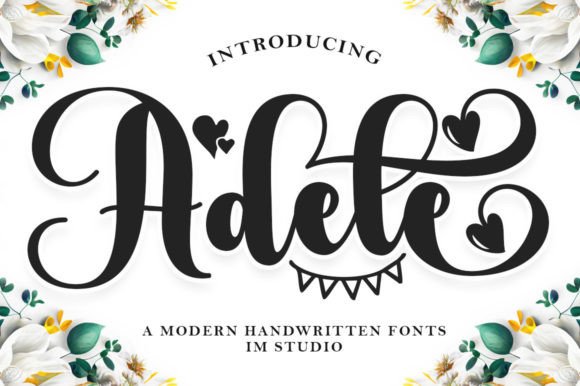
At its core, Adele is more than just a collection of letters; it is a carefully crafted design tool intended to evoke emotion and authenticity. The style is characterized by its flowing, connected letterforms that mimic the movement of a calligraphy brush or a high-quality ballpoint pen. Unlike rigid sans-serif fonts that scream "digital," Adele whispers "human." The baseline of the text often has a gentle, organic wave, which prevents the text from looking too sterile or robotic. This slight imperfection is actually its greatest strength, as it resonates with readers on a subconscious level, making the content feel more approachable and genuine.
One of the most critical aspects of Adele is its technical construction. The font is PUA encoded. For the average user, this acronym might sound complex, but its implications are incredibly practical. PUA stands for "Private Use Area." In simple terms, this means that Adele is packed with hidden gems—alternate characters, ligatures, and decorative swashes—that are fully accessible even if you do not have professional design software like Adobe Illustrator or Photoshop. Users can easily copy and paste these special glyphs from a standard character map directly into their documents, ensuring that everyone has access to the font's full potential without a steep learning curve.
The Power of Glyphs and Swashes
What sets Adele apart from standard script fonts are the extensive "extras" included with the file. These include:
- Alternate Capitals: Different versions of uppercase letters that can be swapped in to change the look of a logo or headline.
- Swashes: Decorative tails that can be added to the beginning or end of words to create a sense of movement and flair.
- Ligatures: Special connections between specific pairs of letters (like "th" or "st") that make the handwriting look more natural and less repetitive.
By utilizing these features, a simple word like "Wedding" can transform into a piece of art. The ability to customize these elements ensures that no two uses of Adele look exactly the same, providing a unique signature for every project.
Real-World Applications: Where Adele Shines
The versatility of Adele is one of its most compelling selling points. It is not a "one-trick pony" limited to a single industry. Instead, it adapts seamlessly to various contexts, making it a favorite among diverse groups of users.
Stationery and Wedding Invitations
Perhaps the most romantic application of Adele is in the world of weddings and events. The font’s elegant curves make it an ideal choice for wedding invitations, save-the-dates, and thank-you cards. It captures the formality required for such events without feeling stuffy. When printed on textured cardstock, Adele mimics the look of expensive hand-lettering, offering a luxury feel at a fraction of the cost. It pairs beautifully with simple serif fonts for the body text, creating a hierarchy that guides the eye naturally.
Branding and Product Packaging
For small business owners, particularly those in the lifestyle, beauty, or artisanal food sectors, brand identity is everything. Adele is frequently used to create logos that feel personal and boutique. Imagine a coffee shop logo or a label for homemade jam; the handwritten style of Adele implies that care and attention to detail went into the product. On packaging, this font style helps products stand out on crowded shelves by offering a visual break from the heavy, industrial typography often used by larger corporations. It suggests that there is a real person behind the brand who cares about quality.
Digital Media and Social Content
In the fast-paced world of social media, grabbing attention is difficult. Adele serves as an excellent tool for creating engaging Instagram stories, Pinterest pins, and Facebook headers. Because it is a script font, it works best for short, punchy headlines or quotes rather than long paragraphs. A motivational quote overlaid on a lifestyle photo using Adele feels inspiring and relatable. Furthermore, it is frequently used for watermarks on photography. A watermark using Adele is less intrusive than a blocky text stamp, protecting the photographer's intellectual property while maintaining the aesthetic integrity of the image.
Wall Art and Home Decor
The "maker" community has embraced Adele for physical products like wall displays and canvases. Because the font is PUA encoded, crafters using machines like Cricut or Silhouette can easily cut out the letters from vinyl or cardstock. Quotes displayed in living rooms or nurseries using Adele add a touch of warmth and personality to home interiors.
Evaluating Suitability: Strengths and Considerations
While Adele is a powerful tool, it is important to understand its best use cases to avoid common design pitfalls. Like any handwritten font, readability is a factor that must be managed carefully.
The Strengths
- Emotional Connection: The primary strength of Adele is its ability to convey emotion. It feels friendly, intimate, and artistic.
- Technical Accessibility: As mentioned, the PUA encoding makes advanced design features accessible to beginners. You do not need to be a typography expert to make Adele look good.
- Visual Versatility: It works well in both digital and print formats, scaling nicely from a small label to a large wall display.
Considerations and Limitations
When using Adele, it is vital to consider the medium. Because of its intricate details and varying stroke widths, Adele is not recommended for body text. Using it for long paragraphs will cause eye strain for the reader and will likely look messy. It is best reserved for headlines, logos, and short accents.
Additionally, sizing matters. If the font is reduced to a very small size (under 10-12pt), the fine details of the swashes may become lost or bleed together, especially in print. It is always advisable to test the font at the intended output size before finalizing a design.
Practical Guidance for Using Adele
To get the most out of Adele, consider the following practical tips:
- Pairing is Key: Script fonts like Adele need a partner. Pair it with a clean, simple sans-serif font (like Montserrat or Lato) or a classic serif font (like Garamond). This contrast allows Adele to stand out as the hero of the design without overwhelming the viewer.
- Spacing: Handwritten fonts often benefit from slightly looser letter spacing (tracking) than standard fonts. This prevents the letters from crashing into one another and allows the swashes room to breathe.
- Context Matters: While Adele is perfect for a bakery logo or a wedding invite, it might not convey the seriousness required for a corporate law firm or a medical report. Always match the font personality with the brand voice.
Conclusion
Adele represents the perfect intersection of technology and artistry. It offers the aesthetic beauty of hand-lettering with the convenience of a digital font. Its PUA encoding democratizes design, allowing everyone from professional graphic designers to DIY hobbyists to access its full suite of glyphs and swashes. Whether you are designing a logo, packaging a product, or setting the tone for a special event, Adele provides the tools to create something that feels truly handwritten and personal. By understanding its features and applying it thoughtfully, you can elevate your projects from ordinary to extraordinary, ensuring your message is not just read, but felt.