Long Beach Font: An Evaluation for Retro Design Projects
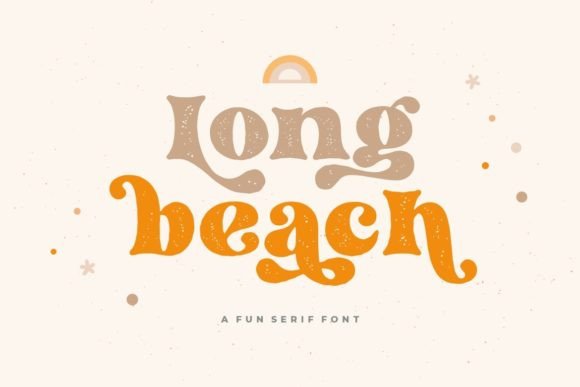
In the world of typography, selecting the right font is a foundational decision that shapes the entire tone of a design project. The Long Beach font is a specific typeface designed to evoke a distinct retro and bold aesthetic. It is a serif font characterized by its strong presence and is available in both clean and textured versions. Understanding its core attributes, ideal applications, and potential limitations is crucial for any designer or creative professional considering it for their work. This evaluation aims to provide a practical overview to help you determine if the Long Beach font aligns with your creative goals.
Core Characteristics of the Long Beach Typeface
At its heart, the Long Beach font is a display typeface. Its primary strength lies in its ability to make a visual statement, particularly in headings, logos, and short-form text. The design is intentionally bold, ensuring high impact and readability at larger sizes. The availability of two versions—a clean, solid style and a textured, vintage-inspired style—offers a degree of flexibility. The clean version provides a crisp, modern take on retro design, while the textured version adds an authentic, worn-in quality that can enhance a nostalgic theme. A notable technical feature is its PUA (Private Use Areas) encoding, which means special glyphs and decorative swashes can be accessed easily, even in basic design software that does not support advanced OpenType features.
Evaluating Potential Applications and Benefits
The suitability of the Long Beach font is highly dependent on the project's context. It is engineered for applications where visual impact and a retro personality are desired.
Strong Fits for the Long Beach Font
This font tends to perform exceptionally well in specific scenarios. It is a strong candidate for projects where the goal is to immediately communicate a vintage, bold, or eye-catching brand identity. Consider its use for:
- Logotypes and Brand Identity: Its distinctive character can help a brand stand out, particularly in industries like food and beverage, apparel, or entertainment that lean into retro themes.
- Headlines and Titles: For posters, magazine covers, or website hero sections, Long Beach can create a compelling focal point that draws the reader's eye.
- Packaging and Product Design: The font can be effective on labels, stickers, and packaging, especially when paired with the textured version to simulate a classic print feel.
- Apparel and Merchandise: Its bold nature makes it suitable for t-shirt designs and other apparel where text needs to be legible and stylish from a distance.
- Digital Content: For YouTube thumbnails, Instagram graphics, or website banners, it can add a unique and engaging typographic element that stands out in a crowded feed.
Key Benefits and Practical Considerations
The primary benefit of using Long Beach is its ability to inject a specific, bold retro aesthetic into a design with minimal effort. The dual-version offering (clean and textured) provides creative control over the degree of vintage effect. The PUA encoding is a practical advantage, simplifying the workflow for accessing decorative elements.
However, there are important tradeoffs and expectations to manage. As a display font, Long Beach is generally not suitable for long blocks of body text. Its bold, decorative nature can cause eye strain in extended reading. Its strong personality also means it can dominate a design; it requires careful pairing with more neutral, legible fonts for supporting text to maintain visual hierarchy and balance. The retro style, while a strength for certain projects, inherently limits its versatility. It is not a font for every context and will feel out of place in designs that require a modern, minimalist, or corporate tone.
Decision-Making Insights: When to Choose Long Beach
Determining if Long Beach is the right choice involves a clear assessment of your project's needs. Ask yourself these key questions:
- What is the desired tone? If the project's core message is nostalgia, boldness, fun, or vintage charm, this font is a relevant option. If the tone is serious, formal, or ultra-modern, it is likely a poor fit.
- What is the application? Use it for headlines, logos, and short, impactful text. Avoid it for body copy, legal disclaimers, or user interface text where clarity and neutrality are paramount.
- What is the surrounding design? Long Beach works best when it has room to breathe and is supported by simpler typefaces. It can clash with other highly decorative or stylistically conflicting fonts.
Situations Where Alternatives May Be Warranted
If your project requires a more subtle vintage touch, a serif font with less dramatic contrast and weight might be preferable. For designs needing a classic, professional serif for body text, traditional typefaces like Garamond or Times New Roman are more appropriate. If the aesthetic leans towards a different era—such as Art Deco or 1990s grunge—sourcing a font specifically designed for that period would yield a more authentic result. The decision to use Long Beach should be a deliberate stylistic choice, not a default.
Conclusion: Aligning the Font with Your Vision
The Long Beach font is a specialized tool in a designer's toolkit. Its value is not in universal application but in its power to execute a specific retro and bold vision effectively. It excels in projects where its personality is an asset, transforming a simple headline into a statement piece or giving a logo a memorable, vintage flair. By carefully considering your project's tone, application, and supporting design elements, you can make an informed decision about whether its characteristics align with your creative objectives. When used thoughtfully and in the right context, it can indeed help elevate a design concept to a polished and cohesive final product.