Magnis: A Detailed Look at This Stylish Serif Font for Modern Design
Choosing the right typeface is a fundamental decision in any design project. It sets the tone, influences readability, and communicates a brand's personality before a single word is fully processed. Among the many serif options available, Magnis has emerged as a compelling choice for designers seeking a blend of classic elegance and contemporary flair. This article provides a balanced examination of Magnis, exploring its unique characteristics, ideal applications, and how it stands in relation to other typographic categories.
Understanding the Core Identity of Magnis
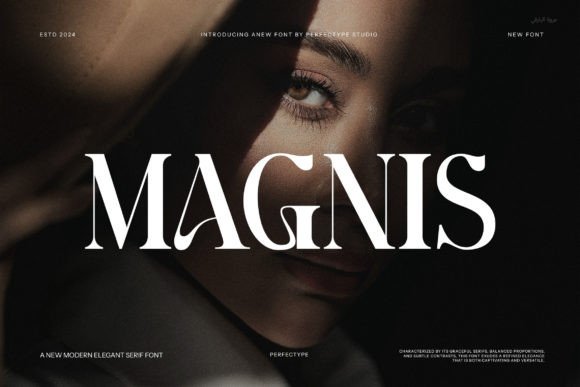
Magnis is best described as a unique serif font that masterfully bridges historical and modern design principles. Its foundation lies in the timeless structure of serif typefaces, known for their legibility and formal presence. However, Magnis distinguishes itself through stylish, often subtly refined letter shapes. You might notice graceful, high-contrast strokes, elegant terminals, or distinctive details on characters like the 'Q', 'g', or 'R'. This modern twist prevents it from feeling archaic, giving it a fresh, sophisticated energy. It is not a direct revival of a specific historical typeface but rather an original creation that draws inspiration from the best of both worlds.
The personality of Magnis can be characterized as stylish and elegant. It avoids the stark minimalism of geometric sans-serifs and the heavy, sometimes dated, weight of overly traditional serifs. Instead, it occupies a thoughtful middle ground, making it versatile for projects that require a touch of refinement without sacrificing contemporary appeal.
Where Magnis Shines: Ideal Use Cases and Applications
The true test of any font is its performance in real-world scenarios. Magnis finds its strength in projects where aesthetic appeal and a certain level of distinction are paramount, without compromising on clarity for extended reading.
- Branding and Identity: Magnis can be an excellent choice for logos, business cards, and brand guidelines for companies in sectors like boutique retail, luxury hospitality, consulting, or artisanal products. Its elegance conveys quality and attention to detail.
- Editorial and Publishing: For magazine headlines, book covers, or chapter titles, Magnis provides a captivating visual anchor. Its stylish forms can elevate the perceived value of the content. However, for long-form body text in novels or academic papers, a more neutral, highly readable serif might be preferable.
- Web and Digital Design: When used for headings, pull quotes, or navigation labels on a website, Magnis can create a strong visual hierarchy and a premium feel. Its modern twist ensures it renders well on screen, though careful testing for legibility at smaller sizes is always recommended.
- Packaging and Signage: The distinct character of Magnis can make product packaging stand out on a shelf. It communicates craftsmanship and quality, suitable for everything from wine labels to cosmetic boxes. For wayfinding signage, where instant legibility is critical, it may be used for titles but not necessarily for directional text.
Comparing Magnis: How It Fits Within Typographic Categories
To make an informed choice, it helps to understand where Magnis sits relative to other font styles. It is not a universal solution, but rather a specialist tool for specific communicative goals.
Magnis vs. Traditional Serif Fonts
Classic serifs like Garamond or Baskerville are revered for their readability and historical authority. Magnis shares their foundational serif structure but introduces more stylized, contemporary details. Where a traditional serif might prioritize absolute neutrality for body text, Magnis embraces a more expressive character. This makes Magnis a better fit for display purposes where personality is key, while traditional serifs often excel in dense, long-form text.
Magnis vs. Sans-Serif Fonts
Sans-serifs are often chosen for their clean, modern, and straightforward appearance. Magnis offers a different kind of modernity—one that is warmer, more nuanced, and textured. If a project's goal is pure minimalism and neutrality, a sans-serif is likely the better path. If the goal is to inject elegance, tradition, and a humanist touch, Magnis presents a compelling alternative.
Magnis vs. Slab Serif Fonts
Slab serifs, with their heavy, block-like feet, project confidence, stability, and sometimes a retro or industrial feel. Magnis operates in a different aesthetic realm. Its serifs are typically more refined and less imposing. The choice here is about mood: Magnis suggests sophistication and subtlety, while a slab serif communicates boldness and strength.
Evaluating Strengths and Potential Tradeoffs
Strengths of Magnis:
- Distinctive Personality: It avoids the "cookie-cutter" feel of some overused fonts, helping designs stand out.
- Modern Elegance: It successfully merges classic and contemporary, making it feel both timeless and current.
- Versatile Display Use: It performs admirably in headlines, logos, and short text blocks where visual impact is desired.
Potential Tradeoffs and Considerations:
- Extended Readability: For very long articles, books, or dense reports, its stylistic elements might become visually fatiguing over many pages. In such cases, pairing it with a highly readable serif or sans-serif for body text is a prudent strategy.
- Contextual Appropriateness: Its elegant style may feel out of place in contexts demanding ruggedness, extreme informality, or stark utilitarianism.
- License and Availability: As with any specific font, ensure its licensing model (desktop, web, app) fits your project's scope and budget. Some unique serif fonts may have more limited weight variations than ubiquitous families.
Decision Factors: When is Magnis the Right Choice?
Choosing Magnis should be a deliberate decision based on your project's core requirements. Consider it a strong candidate if:
- Your primary need is a headline or display font that conveys sophistication and style.
- The project's tone aligns with elegance, craftsmanship, boutique quality, or modern luxury.
- You are looking to differentiate your design from those using more common typographic choices.
- You have the ability to test it thoroughly in your specific application (on screen, in print, at various sizes).
You may need to explore other options if your project demands a workhorse font for massive volumes of text, requires an ultra-neutral appearance, or has a very constrained licensing budget. The best approach is to create a shortlist of fonts, including Magnis and a few alternatives from different categories, and test them side-by-side within your actual design mockups.
Practical Implementation Tips
If you decide to proceed with Magnis, thoughtful implementation will maximize its impact.
- Pairing Fonts: Magnis pairs well with clean, simple sans-serifs for body text, creating a pleasing contrast. For example, using Magnis for headings and a font like Inter or Lato for paragraphs can create a balanced and readable hierarchy. Avoid pairing it with another highly decorative serif.
- Hierarchy and Spacing: Use its stylish forms to establish a clear visual hierarchy. Ensure adequate letter-spacing and line-height, especially at smaller sizes, to maintain readability. Its elegant details need room to breathe.
- Color and Contrast: Magnis often looks best in high-contrast color schemes (e.g., dark text on a light background) to showcase its nuanced strokes. Test it in your brand's color palette to ensure the details remain clear.
In the landscape of typography, Magnis offers a valuable proposition. It is not a font for every occasion, but for the right project, it provides a powerful combination of classic structure and modern elegance. By understanding its characteristics, strengths, and ideal contexts, you can make a more informed decision about whether this distinctive serif font is the missing piece that elevates your next design project.