Rachel Bowie: Mastering the Art of Modern Calligraphy
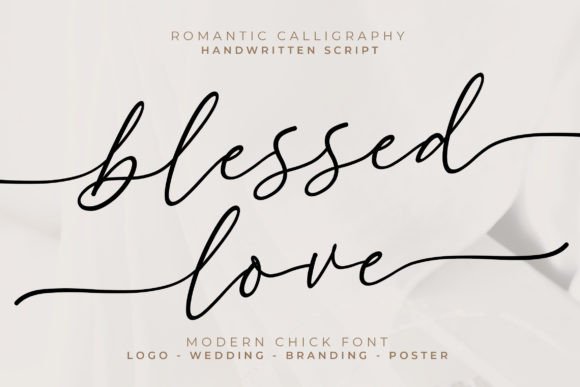
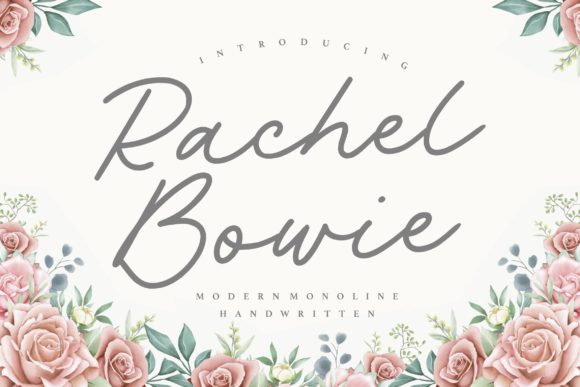
In the vast ocean of digital typography, finding a font that balances artistic flair with professional readability can feel like searching for a needle in a haystack. Many scripts are either too ornate to be legible or too stiff to feel personal. Rachel Bowie, however, simplifies elegance into one truly outstanding handwritten font. It maintains its classy calligraphic influences while feeling contemporary and fresh. This versatility is the primary reason it appeals to such a wide range of crafty ideas, from letterheads and titles to stationery and branding materials.
For entrepreneurs, freelancers, and hobbyists alike, the typeface you choose acts as the voice of your project before a single word is read. Rachel Bowie offers a solution that bridges the gap between a formal business document and a heartfelt personal note. However, despite its inherent beauty and adaptability, using a script font effectively requires more than just installation. It requires a strategic approach to design and layout. Too often, creators fall into common traps that dilute the impact of premium typefaces. To help you get the most out of this specific style, we need to look at the practical realities of using handwritten fonts in professional and creative settings.
The Critical Role of Context and Pairing
One of the most frequent mistakes made by beginners and even seasoned marketers is the "style clash." Rachel Bowie is a distinct personality. It is expressive and fluid. If you pair it with another highly stylized font, such as a heavy grunge typeface or an overly decorative serif, the result is visual noise rather than harmony. The goal of using a font like this is to let it shine as the hero element, not to drown it in competition.
A better approach is to think of Rachel Bowie as the accent piece in a room full of neutral furniture. It works best when paired with a clean, simple sans-serif or a classic serif font. For example, using a geometric sans-serif for your body copy provides a stable foundation that allows the handwritten headers to pop without overwhelming the reader. This contrast creates a hierarchy that guides the eye naturally from the headline to the content.
Spacing and Kerning: The Invisible Details
When you download or purchase a font like Rachel Bowie, the default spacing is set by the designer to work in general scenarios. However, design is rarely general. A common oversight is accepting the default tracking (letter spacing) and kerning for every size. Because Rachel Bowie maintains those classy calligraphic influences, the connections between letters can sometimes look awkward at very small sizes or very large display sizes if not adjusted.
If you are using this font for a large title on a poster or a website hero image, you may need to tighten the kerning slightly to make the letters feel like a cohesive unit. Conversely, if you are using it for a tagline or a short quote at a smaller size, you might need to increase the tracking slightly to improve legibility. Ignoring these micro-adjustments can make even the most expensive font look cheap or difficult to read. Always zoom in and check the flow of the letters, particularly where the "b" connects to the "o" or the "w" meets the "i".
Understanding Licensing and Usage Rights
For small business owners and entrepreneurs, the legal aspect of typography is often the most overlooked detail until it becomes a problem. It is a misconception that once you download a font file, you own the rights to use it anywhere. Rachel Bowie, like all professional typefaces, comes with specific licensing terms.
There is a distinct difference between a desktop license (for creating logos or printables) and a web license (for using the font on your website via CSS). If you are a blogger or a business owner, using Rachel Bowie on your website by simply uploading the file without the correct web license is a violation of copyright that can lead to legal headaches and unexpected fines. Before finalizing your purchase, verify that your license covers your intended use. If you plan to use it for physical products like mugs or t-shirts to sell, ensure you have an "App License" or "Server License" depending on the vendor's terms. This due diligence prevents costly retroactive fees.
Color, Contrast, and Backgrounds
Another area where users of Rachel Bowie often stumble is color application. Handwritten fonts, by nature, have varied stroke widths. This means they are less uniform than block fonts. If you apply a light color of Rachel Bowie against a busy background or a low-contrast background, the thinner parts of the letters will disappear.
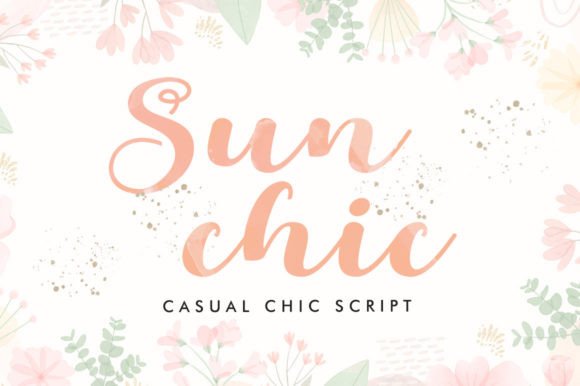
For instance, placing a pastel pink version of this font over a textured watercolor background might look artistic in theory, but in practice, it renders the text unreadable. The solution is to prioritize contrast. If your background is busy or textured, place the text in a solid container or use a high-contrast color like deep charcoal or black. If you are set on using a specific color, try adding a subtle drop shadow or a stroke outline to ensure the thin calligraphic loops remain visible against the background image.
Overusing the Font
Just because Rachel Bowie is beautiful does not mean it should be used for everything. A common pitfall is "font fatigue." If you use Rachel Bowie for the header, the sub-header, the pull quotes, and the footer, the design loses its special quality. It ceases to be an accent and becomes a distraction.
Use this font sparingly to maximize its impact. Reserve it for the moments where you want to convey warmth, personality, or a personal touch. For example, use it for the main title of your blog post or the "Thank You" section of your invoice. Let the rest of the document use a more utilitarian font. This strategic restraint ensures that when a reader sees Rachel Bowie, it feels intentional and impactful.
Practical Application: Real-World Scenarios
To truly master this typeface, consider these practical applications where Rachel Bowie excels, provided you follow the advice above:
- Wedding Invitations and Stationery: This is the sweet spot for the font. It mimics the look of hand-lettering without the cost of hiring a calligrapher. Ensure you print a test page on your chosen paper stock, as ink can bleed differently on textured cardstock, affecting the sharpness of the font's curves.
- Brand Identity for Creatives: If you are a photographer, florist, or boutique owner, Rachel Bowie can serve as your primary wordmark. However, ensure your business name is legible when scaled down to the size of a social media profile picture. If the letters merge into a blob at small sizes, you may need to use a simplified version of your logo for those applications.
- Editorial Design: In magazines or lookbooks, use it for pull quotes to break up long blocks of text. The contemporary feel of the font adds a modern touch to traditional layouts.
Finalizing Your Decision
Before you commit to Rachel Bowie for a major project, take the time to test it in context. Do not just look at the preview image provided by the font foundry. Type out your actual business name, your specific tagline, or the key sentences of your invitation. Check the readability on both a high-resolution screen and a printed draft.
Ultimately, Rachel Bowie