Unleashing the Night: Mastering Design with the Terrify Typeface
In the vast landscape of digital typography, finding a typeface that genuinely captures the essence of fear is a rare discovery. Most fonts are designed for legibility, professionalism, or casual whimsy. However, when a project demands a darker, more visceral atmosphere, standard sans-serifs simply fall flat. This is where the Terrify typeface enters the scene, not just as a font, but as a design tool specifically engineered to evoke spine-chilling, gothic atmospheres. It is a horror-themed collection that goes beyond simple lettering; it is about texture, depth, and the theatrical presence of the macabre.
The Anatomy of Fear: Understanding the Display and Regular Styles
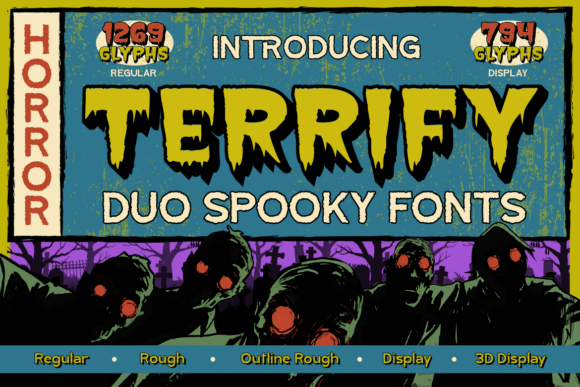
When you first encounter the Terrify font family, the immediate impression is one of cinematic intensity. The collection is bifurcated into two distinct main styles: Display and Regular. Understanding the distinction between these two is crucial for any designer looking to implement them effectively. The Display style is the showstopper. It includes options like Display and 3D Display, which are crafted to add immediate depth and a cinematic flair. These are your headline grabbers, perfect for large-scale applications where you need the text to leap off the screen or page.
However, the true workhorse of this collection often lies in the Terrify Regular style. While the Display versions command attention, the Regular style provides the versatility needed for broader application. It is not a singular entity but a trio of variations designed to handle different textural needs. Within the Terrify Regular framework, you will find:
- Regular: The foundational style that maintains the eerie aesthetic with cleaner edges, suitable for medium-sized text where legibility is paramount but the mood must remain dark.
- Rough: This variation introduces a distressed, weathered look. It simulates the wear of time, making it ideal for designs that require a vintage horror poster aesthetic.
- Outline Rough: For projects that need a bit more transparency or layering, this style offers the same rough texture but with an outline structure, allowing for creative coloring and shadowing effects.
The versatility of Terrify Regular cannot be overstated. While the 3D Display font is fantastic for a movie poster title, the Terrify Regular variations are essential for subtitles, taglines, or merchandise descriptions where the horror vibe needs to persist without overwhelming the viewer.
Visual Language: Cracked Textures and Blood-Soaked Aesthetics
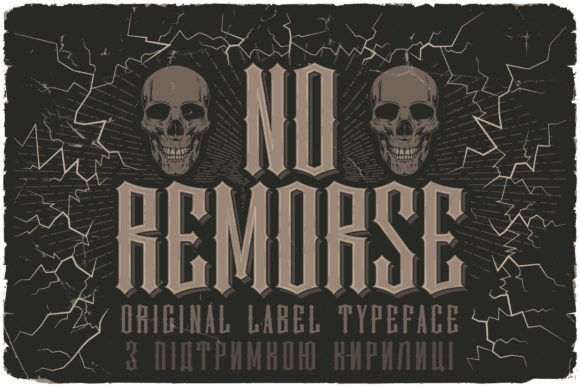
What sets Terrify apart from generic "scary" fonts is its commitment to texture. The design philosophy here leans heavily into a blood-soaked, cracked aesthetic. This is not a smooth, polished typeface; it is gritty, raw, and unapologetically theatrical. The characters appear as though they have been carved from tombstones or scrawled in blood on a dungeon wall.
This level of detail serves a specific purpose in modern design workflows. In an era where high-resolution screens and 4K printing can expose the flaws in low-quality assets, Terrify delivers high-fidelity horror. The Terrify Regular Rough variation, for example, features intricate details in the distress marks that hold up even when scaled. This attention to detail ensures that whether you are designing a digital banner for a haunted house attraction or a physical banner for a Halloween party, the quality remains uncompromised.
Practical Applications: From Gothic Metal to Mystery Branding
The utility of a typeface like Terrify extends far beyond seasonal Halloween flyers. It occupies a significant niche in various industries and creative hobbies. One of the most prominent use cases is in the music industry, specifically for gothic metal band logos. The jagged edges and ominous presence of the font style perfectly match the sonic intensity of the genre. A logo utilizing the Terrify Regular Outline Rough style can look incredibly dynamic on album covers and merchandise.
Another vital application is in the publishing world. Macabre book covers for the horror and thriller genres rely heavily on typography to set the mood before the reader even turns a page. Terrify captures the energy of classic thrillers, reminiscent of vintage pulp fiction novels. Imagine a cover for a Stephen King-esque novel; the title needs to feel dangerous. Using the Display style for the title and Terrify Regular for the author's name or the back cover blurb creates a cohesive, immersive visual package.
Furthermore, consider the world of mystery branding. Escape rooms, immersive theater experiences, and true-crime podcasts all require a visual identity that suggests secrets and suspense. Terrify fits this workflow seamlessly. It allows designers to create an atmosphere of dread without needing complex illustration; the font does the heavy lifting.
Modern Workflows and Integration
For modern designers, adaptability is key. A font must work across different mediums—web, print, and video. Terrify is designed with this in mind. Its structure allows for easy integration into video editing software for title cards or into vector graphics editors for logo design.
When working with Terrify Regular, it is important to consider the context of the layout. Because the font carries such a strong stylistic weight, it pairs best with simple, neutral backgrounds. A dark, moody background often works best to let the "blood-soaked" aesthetic shine. If you are designing a website for a horror event, using Terrify Regular for the navigation headers can maintain the theme without sacrificing the usability of the site, provided the font size is kept readable.
Here are a few scenarios where integrating this font family transforms a project:
- Horror Movie Titles: The 3D Display option creates instant poster art. It mimics the look of classic 80s horror movie typography.
- Halloween Invitations: For personal events, using the Rough variation gives a DIY, scrapbook feel that is charming yet spooky.
- Dark-Themed Merchandise: T-shirts, hoodies, and stickers benefit from the high-contrast nature of the Display style, ensuring the design is visible from a distance.
- Game Design: Indie developers creating horror or survival games can use Terrify Regular for inventory screens, mission logs, or splash screens to maintain immersion.
Considerations for Designers
Before adopting Terrify for a project, it is worth weighing a few practical factors. First, the nature of the design means it is highly thematic. It is not a font for a corporate report or a medical brochure. It is niche, but within that niche, it is a masterclass in style.
Legibility is the second consideration. While Terrify Regular is designed to be more readable than the Display counterparts, it is still a stylized font. It is best used for headlines, logos, and short bursts of text. For long-form body copy, such as a blog post or a book chapter, you would pair it with a clean serif or sans-serif font. The contrast between a terrifying header and a clean body text often highlights the header even more.
Finally, consider the color palette. The font’s aesthetic is heavily influenced by its "blood-soaked" description. While you can change the font color to anything, shades of red, deep crimson, stark white, and charcoal grey tend to complement the design intent of the typeface most naturally.
The Timeless Appeal of the Macabre
Horror is a timeless genre. From the gothic literature of the 19th century to modern slasher films, the desire to be scared is a fundamental part of human entertainment. Terrify taps into this lineage. It evokes the feeling of tombstone carvings and vintage horror posters, yet it is built for the modern digital canvas.
For the designer who wants to evoke a specific, intense emotional response, Terrify is an indispensable asset. It removes the need for complex filters or overlays to make text look "scary." The craftsmanship is built into the vectors. Whether you are using the 3D Display for a cinematic impact or the Terrify Regular variations for a textured, gritty look, this font family provides the tools to bring nightmares to life on the page. It is a bold choice, but for the right project, it is the only choice that makes sense.