Understanding Pride Month Colors and the Rainbow Flag Aesthetic
The Origins and Significance of the Rainbow Palette
Pride Month Colors refer to the specific spectrum of hues derived from the Rainbow Flag, a symbol originally designed by Gilbert Baker in 1978. This iconic banner was created to represent the diversity and unity of the LGBTQ+ community. The palette has since evolved, with the most common contemporary iteration featuring six stripes: red, orange, yellow, green, blue, and violet. Each color carries a distinct meaning, ranging from life and healing to sunlight and spirit. Understanding these origins is essential for anyone looking to utilize the aesthetic effectively, as it grounds the visual design in a rich history of activism and celebration. The colors are not merely decorative; they are communicative tools that convey messages of inclusivity, pride, and social justice.
Evaluating the "Pride Month Colors Font" Concept
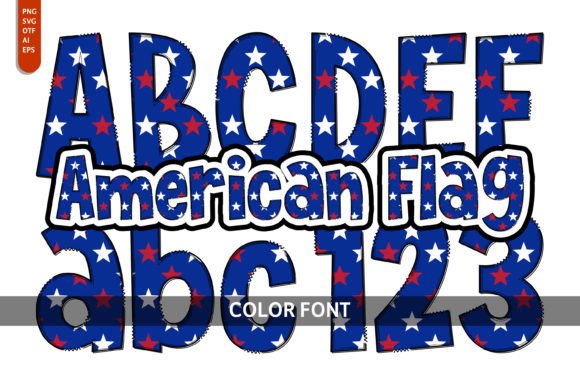
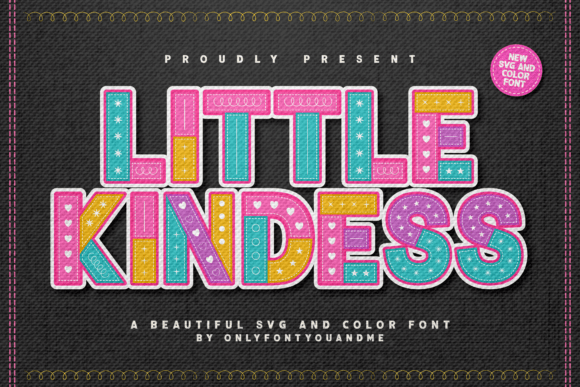
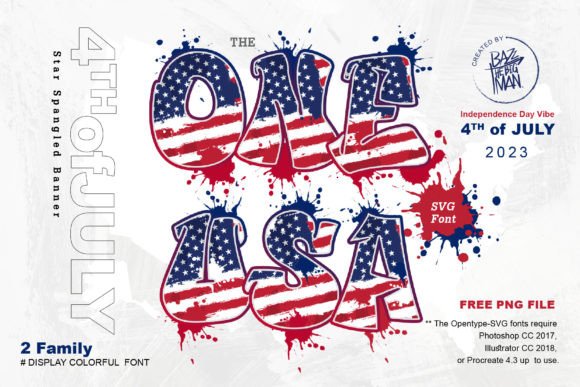
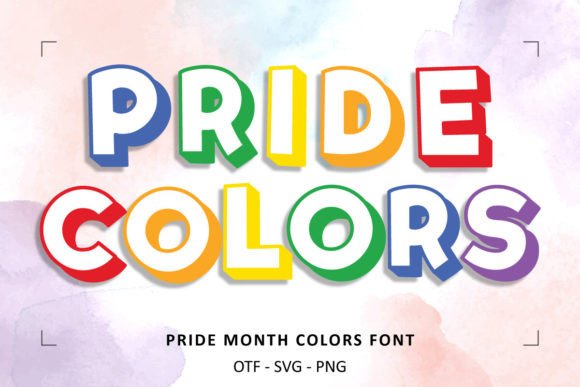
When evaluating design assets like a "Pride Month Colors Font"—a typeface designed to mimic the multi-colored, gradient, or striped aesthetic of the Rainbow Flag—it is important to look beyond surface-level appeal. This style of typography integrates the color spectrum directly into the letterforms, creating a vibrant, casual, and eye-catching visual effect. For designers and content creators, this presents a specific set of capabilities. It is ideal for projects that require an immediate association with Pride themes without relying on external graphics or complex layering. However, the evaluation should focus on how this specific design language interacts with the overall message of your project.
Practical Applications and Use Cases
The utility of Pride Month Colors extends across various media. In print design, such as t-shirts, stickers, and greeting cards, the vibrant nature of the palette ensures high visibility and emotional impact. For digital applications, including blog headers or social media graphics, these colors can immediately signal thematic relevance to viewers. The aesthetic is particularly effective in casual contexts. For instance, a restaurant menu for a Pride event or a book cover for a romance novel featuring LGBTQ+ characters can benefit significantly from this visual shorthand. The "cool style" associated with rainbow typography often appeals to younger demographics and casual audiences, making it a strong fit for merchandise and consumer goods.
Design Considerations and Tradeoffs
While the visual appeal is strong, there are practical tradeoffs to consider. One primary consideration is legibility. Typefaces that incorporate heavy gradients, shadows, or multi-colored fills can sometimes be difficult to read, particularly at smaller sizes or against complex backgrounds. When evaluating a Pride-themed font, it is crucial to test its readability in the specific context where it will be used. For body text or detailed information, a standard solid-color font is usually a better choice, with the rainbow font reserved for headlines or logos.
Another consideration is versatility. A font that is strictly defined by Pride colors may have limited use outside of June or specific Pride-related events. If you are looking for a typeface for year-round branding, a standard font paired with a rainbow color palette might offer more flexibility. You can apply the colors when appropriate and switch to a monochromatic scheme for other contexts. Therefore, the decision to use a dedicated "Pride Month Colors Font" should be weighed against the need for long-term adaptability.
Alignment with Project Goals
Determining whether this aesthetic aligns with your goals requires an analysis of your audience and intent. If your objective is to create a fun, celebratory, and inclusive atmosphere, the rainbow palette is an excellent choice. It communicates joy and acceptance effectively. However, if the project requires a tone that is strictly corporate, solemn, or minimalist, the exuberance of Pride colors might clash with the intended message. In such cases, a more subtle nod to inclusivity—perhaps through a single rainbow element or a specific color accent—might be more appropriate than a fully saturated typographic approach.
When to Consider Alternatives
While the rainbow aesthetic is iconic, there are situations where alternatives may be worth exploring. If your design requires a sophisticated or luxury feel, the playful nature of multi-colored text might undermine that perception. In these instances, elegant serif fonts combined with a muted, sophisticated color palette might better serve the brand identity. Additionally, if accessibility is a primary concern, high-contrast, solid-color typography is generally recommended over multi-colored text to ensure compliance with web accessibility standards (WCAG). It is also worth noting that the Pride flag has expanded to include variations like the Progress Pride Flag, which incorporates black, brown, pink, light blue, and white to represent marginalized communities of color and transgender individuals. Depending on your specific audience, incorporating these additional colors might be a more inclusive choice than the traditional six-stripe rainbow.
Decision-Making Insights for Creators
To make an informed decision, consider the following practical insights:
- Context is Key: Use the Pride aesthetic where the message of celebration is central. It is most effective for marketing materials, event invitations, and merchandise intended for Pride Month.
- Hierarchy Matters: If using a "Pride Month Colors Font," pair it with a clean, legible sans-serif for any supporting text. This ensures the design remains functional while maintaining its festive look.
- Color Management: Ensure that the specific RGB or CMYK values of the colors used match the recognized Pride flag standards to maintain authenticity and respect for the symbol.
- Audience Testing: If possible, test your designs with a segment of your target audience. Feedback can help determine if the typography feels appropriate or if it detracts from the message.
Ultimately, the decision to utilize Pride Month Colors and associated typography should be driven by a desire to communicate effectively with your audience. By balancing the vibrant energy of the rainbow palette with practical design principles, you can create materials that are not only visually appealing but also respectful and meaningful. Whether for a t-shirt, a menu, or a digital banner, the goal is to create a design that resonates with the spirit of inclusivity while serving the functional needs of the project.