The Roman Black Family: A Modern Take on Vintage Typography
In the fast-paced digital world, where minimalist sans-serifs often dominate the landscape, there is a powerful counter-movement emerging in design: the return to character, texture, and history. Brands and creators are realizing that to stand out, they need typography that tells a story. This is where the Roman Black Family enters the conversation. It is not merely a font; it is a comprehensive typographic system designed to bridge the gap between the ornate elegance of the past and the functional demands of modern design workflows.
Understanding the Anatomy of Roman Black
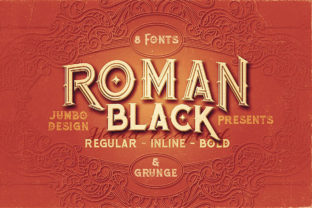
At its core, the Roman Black Family is an unique, vintage ornamental custom serif font. However, defining it simply as "vintage" undersells its versatility. The typeface draws inspiration from classic display type, characterized by strong verticals, high contrast, and distinct, decorative details that command attention. It captures the spirit of an era when typography was handcrafted and monumental, yet it is engineered with the precision required for today's high-resolution screens and print standards.
What makes this family particularly relevant today is its comprehensive structure. It comes in 8 distinct styles, which are thoughtfully categorized to allow for maximum creative expression:
- Regular: The foundation of the family, offering a clean, solid vintage aesthetic perfect for primary headings and logos.
- Inline: This style introduces a secondary line within the letterforms, adding a layer of depth and a retro-barbershop or art deco feel without compromising readability.
- Bold: For moments that require absolute impact, the Bold style thickens the strokes, ensuring the text anchors the design with authority.
- Bold Inline: Combining the weight of the Bold with the detail of the Inline, this style creates a rich, textured look ideal for large-scale display text.
- The Grunge Variations: Each of the four primary styles has a corresponding "grunge" version. These variations simulate the wear and tear of vintage printing, adding texture, scratches, and ink imperfections. This feature is invaluable for designers seeking an authentic, distressed look without needing to overlay external textures.
The Evolution of Visual Branding: Why Texture Matters Now
For the past decade, the design world has been dominated by flat design and geometric sans-serifs. While these styles offer excellent legibility, they have led to a landscape where many brands look interchangeable. We are currently witnessing a shift in user expectations. Audiences, particularly Millennials and Gen Z, respond to authenticity and craftsmanship. They are drawn to brands that feel tangible and human.
This trend is evident in the rise of the "Dopamine Design" movement and the resurgence of maximalism. Entrepreneurs and creators are moving away from sterile corporate aesthetics toward visuals that evoke emotion and nostalgia. The Roman Black Family fits perfectly into this changing habit. By utilizing a vintage ornamental serif, designers can instantly communicate heritage, stability, and attention to detail. It suggests that a brand values tradition but presents it in a contemporary context.
Practical Implications for Modern Workflows
One of the most significant challenges in design is maintaining consistency while avoiding monotony. A common pitfall is using a font that is too specific; it looks great on a logo but becomes illegible or boring when used across a full marketing campaign.
The Roman Black Family solves this through its modular design approach. Because all styles can be combined perfectly, creators have the opportunity to create multiple unique designs in an instant. For example, a blogger might use the Bold Inline for their main header to grab attention, switch to the Regular for subheadings to maintain flow, and utilize the Grunge version for social media graphics to add a gritty, street-style edge.
This versatility streamlines the creative process. Instead of hunting for complementary fonts from different foundries—which often leads to visual discord—users can rely on a single family that speaks the same design language. This is particularly beneficial for freelancers and small business owners who need to produce professional-grade assets quickly without a dedicated design team.
Combining Styles: The Art of the Mix
The true power of the Roman Black Family lies in its interoperability. In typography, mixing fonts is a delicate art; mixing weights and styles within the same family is often the safest and most effective route to a polished look.
Consider a scenario for an event poster or a product launch. The designer needs to convey excitement and exclusivity.
- The Hook: The designer selects the Bold Inline style for the event name. The inline detail catches the light, while the bold weight ensures visibility from a distance.
- The Context: For the date and location, the Regular style is employed. It complements the headline without competing for attention, ensuring the necessary information is legible.
- The Vibe: To finish the design, a tagline or decorative element uses the Inline Grunge style. This adds a layer of authenticity, suggesting that the event or product has a raw, genuine edge.
This ability to layer styles allows for a rich visual hierarchy. It enables marketers to guide the viewer's eye exactly where they want it, using weight and texture as visual cues.
Applications Across Industries
The utility of a versatile serif family extends far beyond artistic posters. It has practical applications across various sectors relevant to our audience:
- Hospitality and Food & Beverage: Breweries, barbershops, and vintage-themed restaurants thrive on this aesthetic. The Roman Black Family evokes a sense of "old-school" quality and craftsmanship.
- Publishing and Editorial: Book covers, particularly in genres like thriller, history, or noir fiction, benefit from the dramatic flair of ornamental serifs.
- Music and Entertainment: Album art and festival branding often require a visual punch that matches the energy of the audio. The grunge variants are particularly suited here.
- Fashion and Apparel: Streetwear and heritage brands frequently use bold typography to make a statement on merchandise.
Technical Considerations for Implementation
When integrating the Roman Black Family into a workflow, it is important to consider the medium. As a display font, it performs best at larger sizes. Using it for body text in long-form articles might reduce readability due to its ornamental nature. However, for headlines, pull quotes, and call-to-action buttons, it is unmatched.
For web designers, ensuring that the font files are optimized for web use (WOFF/WOFF2 formats) is crucial for site speed. Additionally, pairing the Roman Black Family with a simple, neutral sans-serif for body copy can create a striking contrast that highlights the vintage elements of the headers while maintaining a clean, modern reading experience for the content itself.
The Psychology of the Serif
Why does a font like Roman Black resonate so deeply? It comes down to psychology. Serif fonts are traditionally associated with authority, reliability, and tradition. They signal to the reader that the content is serious and established. The "Black" weight—being heavy and commanding—adds a layer of confidence and boldness.
When you combine these psychological triggers with the "Grunge" texture, you introduce a human element. It removes the corporate polish and suggests that something was made by hand or has stood the test of time. For an audience that is increasingly skeptical of AI-generated, sterile content, this human touch is a valuable asset.
Conclusion: A Tool for Timeless Design
The Roman Black Family is more than just a collection of glyphs; it is a toolkit for storytelling. By offering 8 distinct styles that range from pristine to distressed, it provides the flexibility needed to navigate the complex visual demands of the modern internet. Whether you are a designer crafting a brand identity, a marketer creating a campaign, or a hobbyist working on a passion project, this font family offers a bridge to a richer, more textured visual language. It proves that in the race toward the future, the most effective way forward is often to bring the best parts of the past along with us.