Camping: A Fun Font Made of Little Pictures for Outdoor Enthusiasts
Understanding the Unique Appeal of a Camping Font
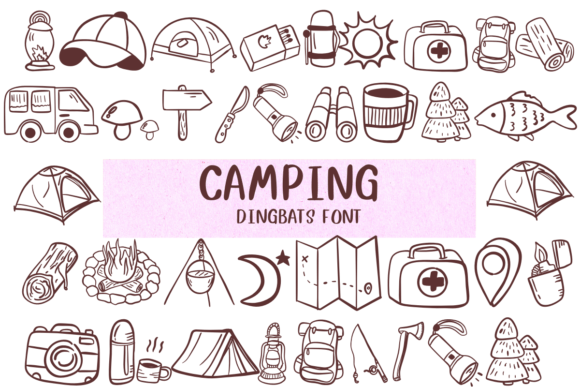
When you first encounter the Camping font, it might not look like a traditional typeface at all. Instead of standard letters and numbers, this creative font is composed entirely of little pictures, or dingbats, representing everything you need for a successful outdoor adventure. It is a whimsical, visual tool designed to inject personality and thematic flair into your projects. Whether you are a blogger documenting your travels, a small business owner creating flyers for a local outdoor shop, or a hobbyist designing scrapbook pages, this font offers a quick way to say "adventure" without writing a word.
The core appeal lies in its ability to instantly communicate a mood. By typing a letter on your keyboard, you can display a detailed illustration of a tent, a roaring campfire, a sturdy backpack, or a vintage lantern. For educators, this can make worksheets about nature more engaging. For marketers, it offers a way to break up text-heavy content with thematic icons. However, because it is a specialized font rather than a standard text typeface, using it effectively requires a specific approach. Treating it like Arial or Times New Roman will lead to frustration and disjointed designs.
Avoiding the "Wall of Icons" Trap
One of the most common mistakes beginners make when using the Camping font is overuse. Because the icons are charming and detailed, it is tempting to fill an entire page with them. This results in a "wall of icons" that can overwhelm the viewer and obscure your message. If you are creating a header for a blog post, stacking ten lines of tent and backpack icons might look cluttered and unprofessional.
The issue here is visual hierarchy. When everything is a picture, nothing stands out. This affects the usability of your design because the reader cannot quickly identify the most important information. Instead of creating a cohesive theme, you create visual noise.
The Better Approach: Treat the Camping font as an accent, not the main course. Use it for bullet points, section dividers, or small decorative elements alongside a clean, readable sans-serif or serif font for your actual text. For example, instead of spelling out "Camping Trip Essentials" entirely in icons, use a standard font for the title and place a single, well-chosen icon of a compass or a sleeping bag at the beginning of the paragraph. This maintains the thematic feel while preserving clarity.
Checking Compatibility and Resolution
Another overlooked detail involves the technical side of downloading and using this type of file. Not all "Camping" fonts are created equal. Some versions are vector-based, meaning they scale up beautifully for large banners or posters. Others might be rasterized or lower quality, which leads to pixelation when you try to enlarge them.
This is a critical distinction for freelancers and entrepreneurs who might need to use the graphics on merchandise like t-shirts or mugs. If you download a low-resolution version of the Camping font and try to print it on a large canvas, the edges of your campfire and tent will look jagged and blurry. This immediately cheapens the presentation and can damage your brand's reputation for quality.
Practical Advice: Before committing to a download or purchase, check the file specifications. Look for terms like "vector," "scalable," or "high-resolution." If the source site offers a preview, try zooming in on the icons. If they remain crisp, you have a quality product. Additionally, ensure the font format (such as .OTF or .TTF) is compatible with your operating system and design software, whether that is Adobe Illustrator, Canva, or Microsoft Word.
Context Matters: Matching the Style to the Project
While the Camping font is undeniably fun, it carries a specific aesthetic that may not fit every context. A common error is forcing this playful, illustrative style into serious or corporate communications. For instance, using a hand-drawn tent icon in a formal business proposal for a bank loan or a legal document regarding land rights would undermine the seriousness of the content.
Even within the outdoor niche, tone matters. If you are a survival gear retailer marketing to hardcore mountaineers, the whimsical, cartoon-like nature of some Camping fonts might seem too childish. These professionals are looking for rugged, serious imagery.
How to Evaluate: Look at the specific style of the illustrations within the font. Are they cartoonish and rounded, or are they detailed and realistic? A cartoon-style Camping font is perfect for children’s party invitations, family camping blogs, or summer camp flyers. A more stylized or minimalist set of icons might work better for a modern travel app or a high-end glamping brochure. Always ask: Does this visual language match the expectations of my target audience?
Navigating Character Maps and Keystrokes
Unlike standard fonts where "A" always looks like an "A," decorative fonts like Camping assign images to specific keys. A frequent source of frustration for users is trying to find a specific icon, like a sleeping bag or a flashlight, without a guide. You might type "S" expecting a sleeping bag but get a s'more instead.
This inefficiency kills your workflow. You end up spending half your time typing random letters to see what appears, rather than focusing on the design itself. This is especially problematic for busy creators or marketers working on tight deadlines.
The Solution: Always download the "Character Map" or "Glyphs Chart" if the font creator provides one. This is usually a PDF or image file included with the font package that shows exactly which key corresponds to which picture. Keep this chart open on a second monitor or print it out. If a chart isn't provided, take five minutes to type out the entire alphabet and number set in a text document so you can see your inventory of icons. Label them accordingly so you can copy and paste them easily later.
Ensuring Proper Licensing
Finally, a critical mistake that can have legal and financial consequences is ignoring the licensing agreement. Many "free" font sites host Camping fonts that are free for personal use only. If you are a small business owner using these icons on a t-shirt you sell, or a marketer using them in a paid advertisement, you could be violating copyright laws.
This oversight can lead to cease-and-desist letters or fines, turning a fun design project into a costly headache. It also raises ethical concerns regarding the original artist's work.
Verification Steps: Before using the Camping font in any capacity, read the "Read Me" file included in the download. Look specifically for the distinction between "Personal Use" and "Commercial Use." If you plan to monetize your designs, invest in the commercial license. It supports the creator and protects your business. If you cannot find clear licensing information, contact the creator or choose a different font from a reputable source where the terms are explicit.
Final Thoughts on Using Camping Effectively
The Camping font is a delightful resource for anyone looking to add a touch of the outdoors to their creative work. It captures the essence of tents, campfires, and backpacks in a way that is accessible and easy to use—provided you avoid the pitfalls of over-design, technical incompatibility, and licensing confusion. By treating these icons as accents rather than replacements for text, checking your file quality, and respecting usage rights, you can ensure your camping-themed projects look professional, engaging, and perfectly suited to your audience. Use it wisely, and it will be a valuable addition to your design toolkit.